The history of Pilates is a story of determination. What started as an individual’s personal quest has evolved into a holistic exercise system that seamlessly integrates the mind, body, and human spirit. At its core, the Pilates method relies on controlled movement, intentional breath, and precise alignment—all supported by the unique exercise equipment that Joseph Pilates engineered himself.
Understanding this inspiring history of Pilates is one way to deepen your connection to the practice you experience in a Pilates class at Boom Pilates today. Here is how a century-old exercise method evolved into a modern worldwide phenomenon, and why its core philosophy and movement patterns are exactly what our bodies need today.
Key Takeaways
- The history of Pilates begins with Joseph Hubertus Pilates in early 20th-century Europe and culminates in the global Pilates method practiced throughout the world in studios like Boom Pilates.
- Originally called “Contrology,” the system was developed by Joseph Pilates during a historic world war internment, where he utilized bed springs to design movements for health.
- In 1926, Clara Pilates opened the first Pilates studio in New York City with her husband, attracting elite members of the dance community.
- Legendary Pilates teachers—known as the Pilates Elders—carried this specialized body conditioning forward from an emerging method into mainstream health clubs.
- Today, every Pilates class connects directly back to Joseph’s original vision for breath, alignment, and whole body health.
Why the History of Pilates Matters Today
Many people mistakenly view this practice as a recent fitness craze, but the roots of the Pilates method run much deeper. It is a time-tested system built from decades of hands-on rehabilitation work, intense physical conditioning, controlled movements, and a whole body commitment to the entire body.
Studying the history of Pilates helps explain why a universal reformer, trapeze table, wunda chair, and ladder barrel look so radically different from standard gym machinery. It proves its value as both a standalone home program and a vital studio-based body conditioning habit that serves physical longevity forever.
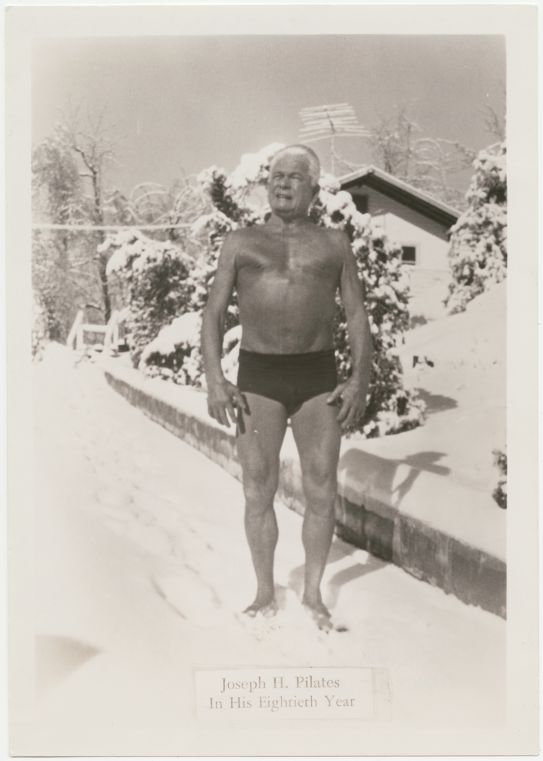
Joseph Hubertus Pilates: Early Life and Influences
Joseph Hubertus Pilates was born near Düsseldorf, Germany, in 1883. As a sickly child, Joe often shared that he suffered from asthma, rickets, and rheumatic fever, which severely limited his physical capacity and made him a target for neighborhood bullies. Rather than giving in to despair, these limitations motivated his lifelong pursuit of physical fitness and sparked a profound obsession with mastering the human body.
From a young age, Joseph’s outlook on health was heavily influenced by his parents’ backgrounds. His father, Friedrich, was a prize-winning gymnast who introduced young Joseph to classical gymnastics, martial arts, and weightlifting, proving that the physical frame could be forged and strengthened through discipline. Meanwhile, his mother was a rumored German naturopath who eschewed the harsh pharmaceuticals of 19th-century medicine in favor of the healing power of nature, fresh air, and proper bodily alignment. He deeply internalized this lifestyle, coming to believe that all people must breathe correctly as a fundamental requirement of healthy movement.
Ultimately, the fusion of his father’s mechanical approach to fitness and his mother’s holistic philosophy became the foundation of his future exercise method. Joseph didn’t just study books; he actively experimented on his own body. He integrated elements of yoga, tai chi, and boxing into his personal routine. He would even stand outdoors in the freezing German winters wearing only shorts, analyzing how his lungs responded to deep breathing and cold air. His personal transformation was so radical that by the age of 14, he was regularly posing for anatomical charts because his muscular development was flawless.
World War I and the Birth of the Pilates Method
Seeking new opportunities and captivated by the thriving athletic culture in Great Britain, Joseph moved to England in 1912. There, he took on an eclectic mix of jobs, working as a professional boxer, touring with circus performers, and performing as a circus tumbler (even appearing as a “living Greek statue”). He was even rumored to teach self-defense to the detectives of Scotland Yard.
However, when World War I broke out in 1914, his life shifted drastically. Because of his German citizenship, the 30-year-old Joseph was classified as an “enemy alien,” arrested, and sent to the Knockaloe Internment Camp on the isolated Isle of Man along with other German nationals. Knockaloe was a massive, windswept camp housing over 23,000 men in close confinement. The conditions were basic, and as the world war dragged on for years, Joseph watched his fellow inmates succumb to severe mental and physical deterioration, colloquially known as “barbed-wire disease.”
Determined to maintain his physical fitness and keep his mind sharp, Joseph Pilates began teaching his unique fitness system to fellow German nationals and inmates while interned during World War I. He closely observed stray camp cats chasing mice and birds, realizing their vitality came from constant, instinctive stretching. Living alongside other German nationals during this difficult period inspired him to refine his observations into a structured system of floor (Mat) exercises. He blended animal mechanics with his knowledge of gymnastics and martial arts, promising his fellow prisoners that they would leave the camp stronger than when they entered.
While at Knockaloe, Joseph also worked as a hospital orderly caring for bedridden patients. This role provided the ultimate catalyst for his future exercise equipment designs. Because these injured men were too weak to stand or get out of bed, Joseph had to innovate. Some of the urban legends state that he even detached steel bed springs from the hospital beds and rigged them to the headboards and footboards to create progressive resistance. This allowed patients to safely rebuild muscle tone and mobilize joints without the crushing force of gravity. Many think that these modified hospital beds became the direct structural blueprints for the universal reformer and the Cadillac trapeze table we use today.
From Germany to New York: The First Pilates Studio
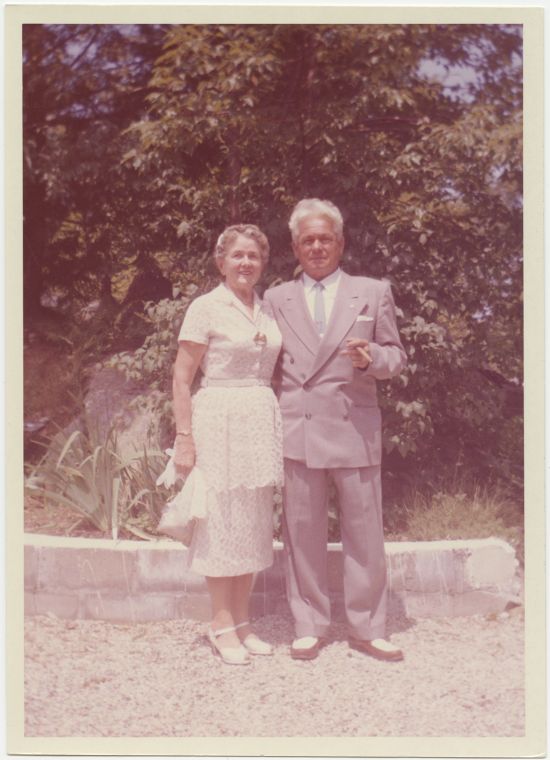
When World War I ended, Joseph briefly returned to Germany. However, realizing that his vision for global health did not align with the changing political climate, he decided to emigrate to the United States. On the transatlantic passenger ship bound for New York in 1926, he met a nursery school teacher named Clara Zuener. Clara suffered from severe arthritic pain, and during the long voyage, Joseph used his movement principles to alleviate her discomfort. Fascinated by his passion, Clara became his life partner, and together, Joseph and Clara changed the wellness world forever.
Upon arriving in New York City, they established their first studio at 939 Eighth Avenue in 1926. Positioned right in the heart of midtown Manhattan, this first Pilates studio was in immediate proximity to theatrical districts and prominent boxing gyms. While Joseph Pilates originally intended his exercise program for boxers, skiers, and everyday laborers, it was the local dance community that truly recognized his genius. Dancers frequently suffered from career-ending injuries, and they found that this Pilates studio, known colloquially as the Body Conditioning Gym, was the premier place to rehabilitate their bodies, correct structural imbalances, and safely improve their physical technique.
The gym’s proximity to the New York City Ballet helped drive immediate referrals from major dance figures. Soon, the elite of American dance became regular figures at 939 Eighth Avenue:
- Martha Graham: The pioneer of modern dance, sent her students to “Uncle Joe” to strengthen their cores and improve structural stability.
- George Balanchine: The legendary co-founder of the New York City Ballet, frequently referred injured ballerinas to Clara and Joe for rehabilitation. He even invited Joseph to have Pilates taught directly to young dancers at the School of American Ballet.
- Hanya Holm & Ted Shawn: Elite choreographers who integrated these core movement patterns into their official company training regimens. By collaborating with visionaries like Ted Shawn, the method permanently solidified its reputation for elite performance enhancement.
Inventing the Apparatus: From Bed Springs to the Universal Reformer
The Pilates studio was an eccentric reflection of its creator, filled with handcrafted wooden and metal inventions. The Universal Reformer remains one of the most recognized pieces of equipment in the Pilates method, originally developed by Joseph using springs for resistance based on those wartime engineered systems with the hospital beds. This brilliant apparatus utilizes a system of springs, pulleys, and a moving carriage to create progressive resistance, allowing for a low-impact, full-body workout that deeply engages stabilizing muscle groups.
To further optimize his routines, Joseph Pilates created various apparatuses, including the Cadillac, Wunda Chair, Ped-o-Pull, Toe Corrector, and Spine Corrector, to enhance the effectiveness of his exercise system. Each device supported a dedicated Pilates exercise, targeting the entire body with balanced tension. He also introduced the Ladder Barrel and the Arc Barrel to support spinal mobility, chest opening, and to kindly aid posture corrections.
Summary of Popular Pilates Apparatuses
| Apparatus | Original Purpose & Mechanical Benefit |
|---|---|
| Universal Reformer | Provides smooth progressive resistance, alignment correction, and total body strength building. |
| Cadillac / Trapeze Table | Facilitates assisted movement, suspension exercises, and targeted spinal mobilization. |
| Wunda Chair | Challenges compact strength, unilateral balance, and single-leg control. |
| Ladder Barrel | Promotes deep spinal decompression, safe extension, and core flexibility. |
| Spine Corrector | Enhances posture organization, chest expansion, and deep torso stabilization. |
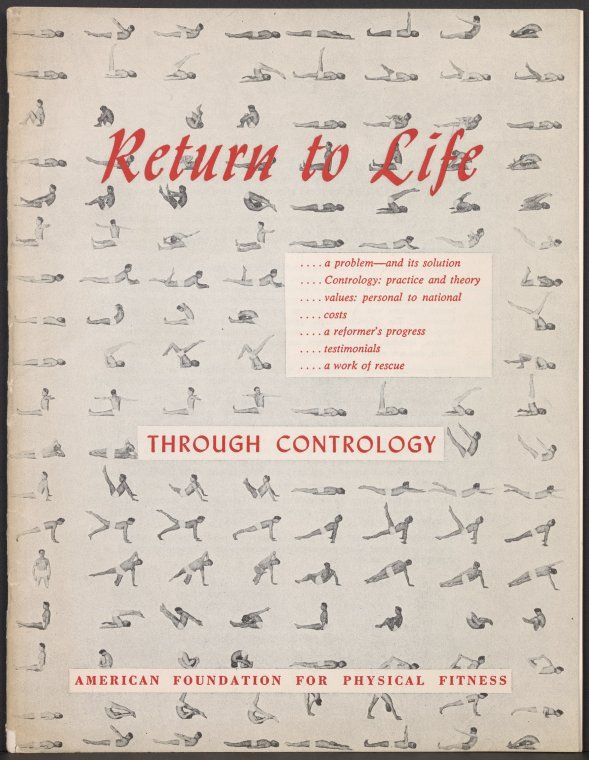
Joseph outlined his grand vision for physical health and physical education in his published books, Your Health and Return to Life Through Contrology. He argued that a regular practice of Pilates must be built upon three core principles: breath, whole-body health, and whole-body commitment to uniform development, which fully encompass the mind, body, and spirit. He emphasized that a student must perform each Pilates exercise with focused, controlled movements to unlock the method’s true depth.
Lineage from Joe Pilates
- Romana Kryzanowska: A former dancer healed by Joe in the 1940s, Romana became his most devoted disciple. After his death, Clara Pilates asked her to run the original New York studio. As the fiercest protector of the classical lineage, her rigorous, no-nonsense approach forms the bedrock of Classical Pilates today, heavily influencing organizations like the Pilates Foundation.
- Jay Grimes: A professional dancer who trained under Joe, Clara, and Romana, Jay is considered a strict “purist.” Rejecting modern modifications or over-analysis, his teaching style preserves the raw, highly physical essence of the original choreography.
- Ron Fletcher: A dancer under Martha Graham who studied with Joe in 1948. Ron Fletcher brought the method to the West Coast, opening a landmark Beverly Hills studio in 1972 that introduced the practice to Hollywood’s elite. He expanded the physical vocabulary by incorporating modern dance elements and developing “Fletcher Towelwork.”
- Carola Trier: A former contortionist who opened her own studio in 1960 with Joe’s explicit blessing, making her a pioneer in merging Contrology principles with modern physical therapy.
- Eve Gentry: After undergoing a radical mastectomy, Eve Gentry worked closely with Joe to completely rebuild her upper body strength. She later moved to New Mexico and pioneered “pre-Pilates”—gentle, preparatory movements for injured or weaker clients.
- Kathy Grant: One of only two Elders officially certified to teach by Joseph Pilates himself, Kathy directed the studio at NYU’s Tisch School of the Arts, focusing heavily on training generations of dancers.
- Lolita San Miguel: A celebrated master teacher who trained extensively in New York City, Lolita San Miguel helped establish standardized international teacher training networks to preserve instructional quality.
- Bruce King: An accomplished dancer who studied directly at the original studio, Bruce King later traveled extensively across the country to share his refined approach to structural alignment.
- Mary Bowen: A first-generation elder who integrated psychological principles with physical movement, Mary Bowen emphasized the deep mind-body connection during daily practice.
- Robert Fitzgerald: Opened his own highly popular studio in New York during the 1960s, where Robert Fitzgerald trained a diverse mix of actors, athletes, and dancers.
A Note on Early Competition: Just like today, the original growth of the method was not without drama. An early student-turned-rogue competitor, Bob Seed, went so far as to open a rival studio nearby, attempting to steal clients by offering highly accelerated, abbreviated sessions. However, Bob Seed could never replicate the authentic structural depth of Joseph’s original work.

The Trademark Battle that Defined the Future of Pilates
As independent studios multiplied across the West Coast and the rest of the United States, a massive legal battle erupted in the 1990s. A single commercial entity attempted to trademark the name “Pilates,” claiming exclusive rights to the word and threatening to sue any instructor who used it without paying exorbitant fees.
The global community rallied together. After a legendary four-year federal lawsuit, a federal judge ruled in October 2000 that “Pilates” is a generic term for an exercise method, much like “Yoga” or “Karate”. Good or bad, this ruling opened the floodgates, allowing the distinct lineages of all the different Elderselders to flourish, cross-pollinate, dilute, and legally explode Pilates into the global fitness mainstream.
To maintain instructional integrity following this legal shift, several professional organizations stepped forward. The Pilates Method Alliance and the Pilates Foundation established strict industry benchmarks for comprehensive teacher training. Today, educational standards like the National Pilates certification program ensure that modern instructors remain thoroughly educated. Major global networks like Basi Pilates and educational brands continue to advance these rigorous criteria, ensuring that whether a class leans classical or contemporary, it must honor Joseph’s foundational standards.
From Niche Method to Global Fitness Phenomenon
Until Joseph Pilates passed away in 1967, the method remained a niche discipline. If you weren’t a professional ballerina, a Broadway performer, or a wealthy Manhattan socialite, you likely had not heard of “Contrology.”
One of the first major shift occurred when Ron Fletcher introduced the method to California, drawing high-profile icons like Barbra Streisand to the Mat. Where celebrities go, the media always follows. By the late 1980s, high-end magazines began running features on this “mysterious, lengthening workout of the stars,” planting the first seeds of mainstream public interest.
The early 2000s saw an unprecedented expansion. Commercial health clubs began adding Mat Pilates classes to their group fitness schedules, making the method affordable and accessible to the average person for the first time. Simultaneously, manufacturing evolved, transforming wooden apparatuses into sleek, aluminum, commercial-grade Reformers. Specialized curriculum providers expanded globally, transitioning the quiet, clinical vibe of the original spaces into high-energy, athletic environments.
Classical vs. Contemporary Pilates: Honoring the Past, Training for the Present
While every modern style traces its lineage back to Joseph’s original studio, instructors interpret his life’s work through two distinct lenses:
- Classical Pilates: Strictly preserves the raw essence of Joseph’s original Contrology, adhering to the exact physical sequencing, honors the original apparatus designs, adheres to specific transitions, and provides systematic when teaching Joe’s system of moves.
- Contemporary Pilates: Bridges tradition with modern science, adapting the historical choreography by incorporating modern biomechanical thinking, physical therapy principles, creative variations, injury modifications, and adds diverse contemporary props within the Pilates programming.
This philosophical evolution highlights why comprehensive certification matters. At Boom Pilates, we reject the idea that you must choose between history and progress. Our hybrid mission honors the powerhouse-driven, classical principles established by Joseph Pilates, while utilizing smart, inclusive adjustments tailored for the specific needs of modern bodies.
Connecting the History to Your Practice at Boom Pilates
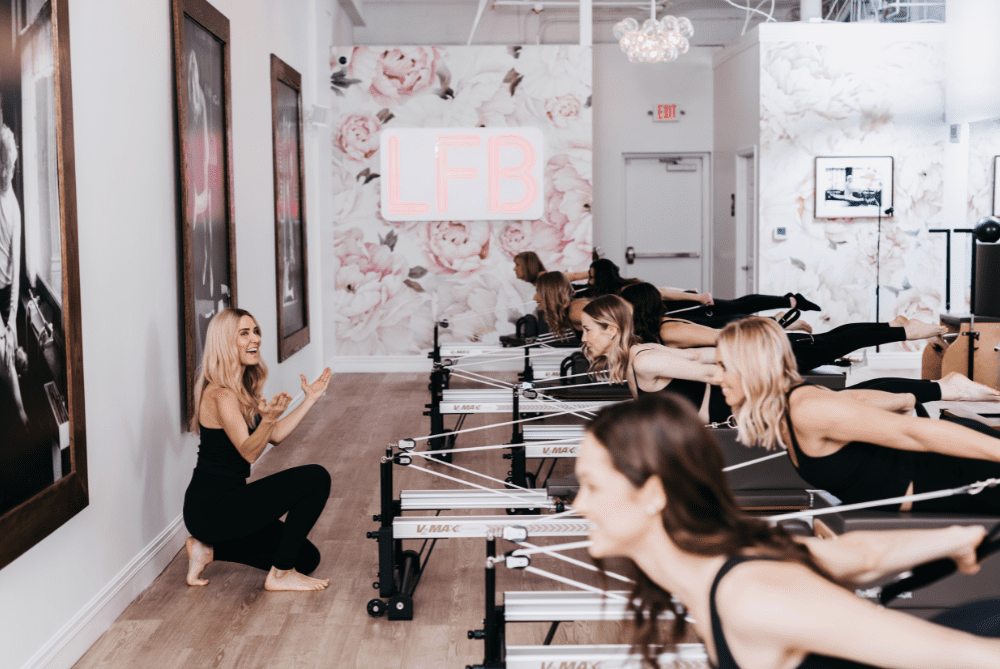
When you step into a Pilates class at Boom Pilates, you aren’t just entering a fitness space—you are participating in a century-old living tradition.
Every time you lie back on a moving carriage, you are using an evolved version of the exact springs, pulleys, and straps that Joseph manufactured to rehabilitate and strengthen his dedicated clients.
Whether you are executing a complex sequence or practicing focused corrective exercise on the Mat, Chair, Reformer, Barrels, or the Tower – your physical movements trace back to the authentic work. The music might be upbeat and the environment modern, but the foundational concepts remain protected: Breath, Control, Centering, Precision, Concentration, and Flow. Through consistent regular practice, this time-tested method develops lasting uniform development and movement awareness, that you can use in everyday life.
At Boom Pilates, we combine the depth and discipline of authentic Pilates with the adaptability and creativity of modern movement. Our expert instructors deliver thoughtful, energetic sessions that help clients build strength, mobility, confidence, and long-term physical resilience.
If you’re curious about trying Boom Pilates, we’re excited to meet you!
We are offering a special BOGO deal for all new clients. For our regular drop-in price of $30, you’ll get two Group Equipment Classes for the price of one!
Schedule Your First Class to claim this offer!